

Quick Answer: What Are the Morning Blessings in Hebrew?
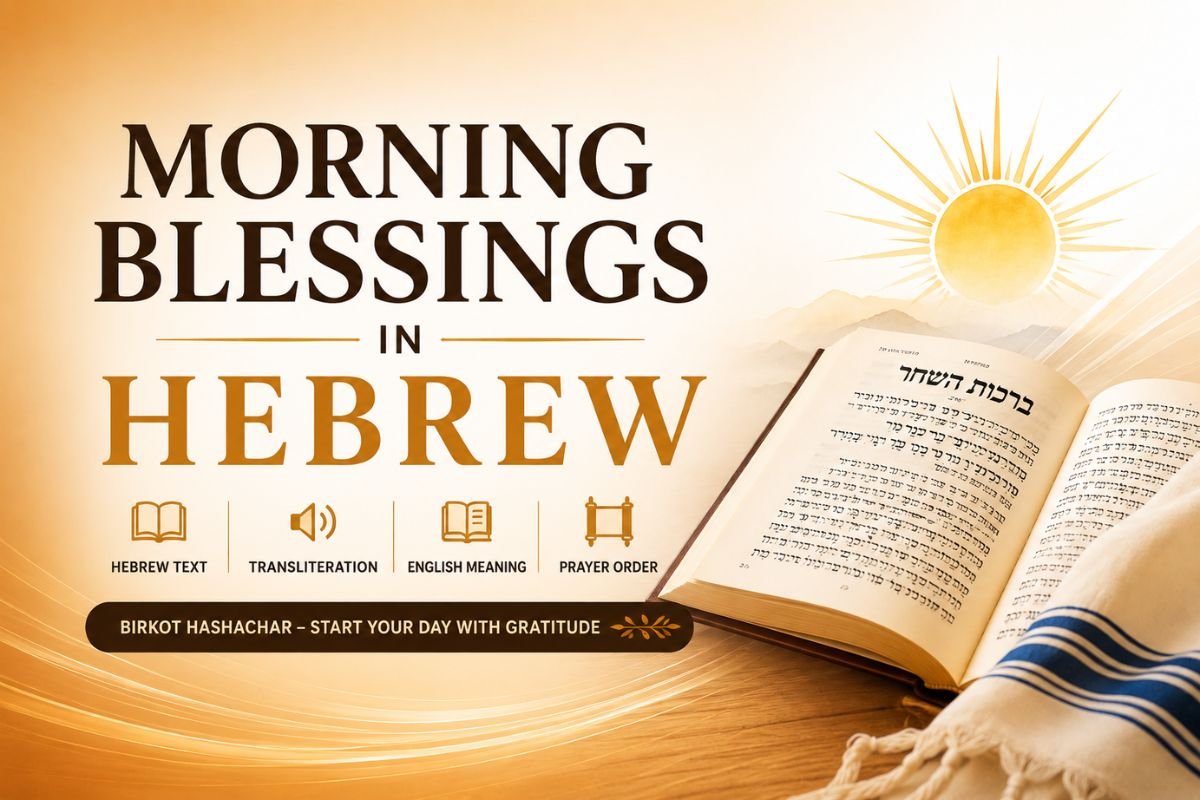
The Morning Blessings in Hebrew are called Birkot HaShachar (ברכות השחר). They are traditional Jewish blessings said as part of the morning prayer routine. They give thanks for basic gifts such as sight, movement, clothing, strength, and the return of the soul. The wording and order can vary by Jewish tradition and siddur.
Key Takeaways
- Birkot HaShachar is the Hebrew name for the Morning Blessings.
- The blessings give thanks for everyday gifts and abilities.
- Modeh Ani is closely connected with the morning routine but is a separate prayer.
- Hebrew wording and order can vary by Nusach and siddur.
- Ashkenazi and Sephardi prayer traditions may use different versions.
- Hebrew text, transliteration, and English meaning can help readers follow the prayers.
What Are the Morning Blessings in Hebrew?
For a broader collection of messages and prayers used to begin the day, you can also explore our morning blessings.
Birkot HaShachar (ברכות השחר) means Morning Blessings or Blessings of the Dawn.
These blessings are part of the Jewish morning prayer routine. They focus on basic gifts that people may take for granted each day. These include sight, clothing, movement, walking, strength, and the return of the soul.
The Talmud in Berakhot 60b connects several of these blessings with actions that happen after waking. Later Jewish practice brought the blessings together into a regular morning prayer sequence.
The number can also differ between siddurim. The Talmud does not give one fixed number for the whole group. Some prayer books count related prayers separately, while others include them with Birkot HaShachar. HaNoten LaYaef Koach is one reason the count may differ because it was added to common practice later and is not in the original Talmudic list.
Key Terms for the Morning Blessings
| Term | Hebrew | Simple meaning |
|---|---|---|
| Birkot HaShachar | ברכות השחר | Morning Blessings |
| Modeh Ani | מודה אני | A prayer of thanks said upon waking |
| Nusach | נוסח | A Jewish prayer tradition or wording style |
| Siddur | סידור | Jewish prayer book |
| Transliteration | Hebrew pronunciation in Latin letters | Helps readers pronounce Hebrew words |
Morning Blessings in Hebrew and English
1. Asher Natan LaSechvi Binah
Hebrew:
בָּרוּךְ אַתָּה ה’ אֱלֹהֵינוּ מֶלֶךְ הָעוֹלָם, אֲשֶׁר נָתַן לַשֶּׂכְוִי בִינָה לְהַבְחִין בֵּין יוֹם וּבֵין לָיְלָה.
Transliteration: Barukh Atah Adonai, Eloheinu Melekh HaOlam, asher natan lasechvi vinah lehavchin bein yom uvein laylah.
English meaning: Blessed are You, Lord our God, King of the universe, who gives the rooster or inner faculty the ability to distinguish between day and night.
What it means: The word sechvi has been understood in traditional sources as referring to the rooster and also to a person’s inner ability to distinguish between day and night.
2. SheLo Asani Goy
Hebrew:
בָּרוּךְ אַתָּה ה’ אֱלֹהֵינוּ מֶלֶךְ הָעוֹלָם, שֶׁלֹא עָשַׂנִי גּוֹי.
Transliteration: Barukh Atah Adonai, Eloheinu Melekh HaOlam, shelo asani goy.
English meaning: Blessed are You, Lord our God, King of the universe, who has not made me a non-Jew.
What it means: This is one of the traditional blessings related to Jewish identity and religious status.
3. SheLo Asani Avad
Hebrew:
בָּרוּךְ אַתָּה ה’ אֱלֹהֵינוּ מֶלֶךְ הָעוֹלָם, שֶׁלֹא עָשַׂנִי עָבֶד.
Transliteration: Barukh Atah Adonai, Eloheinu Melekh HaOlam, shelo asani avad.
English meaning: Blessed are You, Lord our God, King of the universe, who has not made me a servant.
What it means: This traditional blessing is connected with freedom and one’s religious status. The wording can vary by gender and Jewish tradition.
4. SheLo Asani Isha
Hebrew:
בָּרוּךְ אַתָּה ה’ אֱלֹהֵינוּ מֶלֶךְ הָעוֹלָם, שֶׁלֹא עָשַׂנִי אִשָּׁה.
Transliteration: Barukh Atah Adonai, Eloheinu Melekh HaOlam, shelo asani ishah.
English meaning: Blessed are You, Lord our God, King of the universe, who has not made me a woman.
Traditional women’s form:
בָּרוּךְ אַתָּה ה’ אֱלֹהֵינוּ מֶלֶךְ הָעוֹלָם, שֶׁעָשַׂנִי כִּרְצוֹנוֹ.
Transliteration: Barukh Atah Adonai, Eloheinu Melekh HaOlam, she’asani kirtzono.
English meaning: Blessed are You, Lord our God, King of the universe, who has made me according to His will.
Traditional siddurim use different wording for this blessing for men and women. Some modern Jewish communities may use different formulations.
5. Pokeach Ivrim
Hebrew:
בָּרוּךְ אַתָּה ה’ אֱלֹהֵינוּ מֶלֶךְ הָעוֹלָם, פּוֹקֵחַ עִוְרִים.
Transliteration: Barukh Atah Adonai, Eloheinu Melekh HaOlam, pokeach ivrim.
English meaning: Blessed are You, Lord our God, King of the universe, who gives sight to the blind.
What it means: This blessing gives thanks for sight and the ability to see after waking.
6. Matir Asurim
Hebrew:
בָּרוּךְ אַתָּה ה’ אֱלֹהֵינוּ מֶלֶךְ הָעוֹלָם, מַתִּיר אֲסוּרִים.
Transliteration: Barukh Atah Adonai, Eloheinu Melekh HaOlam, matir asurim.
English meaning: Blessed are You, Lord our God, King of the universe, who frees those who are bound.
What it means: This blessing is connected with the freedom to move after sleep. It forms part of the traditional series of blessings linked with waking and getting up.
7. Malbish Arumim
Hebrew:
בָּרוּךְ אַתָּה ה’ אֱלֹהֵינוּ מֶלֶךְ הָעוֹלָם, מַלְבִּישׁ עֲרוּמִים.
Transliteration: Barukh Atah Adonai, Eloheinu Melekh HaOlam, malbish arumim.
English meaning: Blessed are You, Lord our God, King of the universe, who clothes the naked.
What it means: This blessing gives thanks for clothing. Getting dressed becomes a reminder of a basic daily gift.
8. Zokef Kefufim
Hebrew:
בָּרוּךְ אַתָּה ה’ אֱלֹהֵינוּ מֶלֶךְ הָעוֹלָם, זוֹקֵף כְּפוּפִים.
Transliteration: Barukh Atah Adonai, Eloheinu Melekh HaOlam, zokef kefufim.
English meaning: Blessed are You, Lord our God, King of the universe, who straightens the bent.
What it means: This blessing gives thanks for the ability to sit, stand, and straighten the body after sleep.
9. Roka HaAretz Al HaMayim
Hebrew:
בָּרוּךְ אַתָּה ה’ אֱלֹהֵינוּ מֶלֶךְ הָעוֹלָם, רוֹקַע הָאָרֶץ עַל הַמָּיִם.
Transliteration: Barukh Atah Adonai, Eloheinu Melekh HaOlam, roka ha’aretz al hamayim.
English meaning: Blessed are You, Lord our God, King of the universe, who spreads the earth over the waters.
What it means: This blessing gives thanks for the solid ground beneath us and our ability to stand and walk. The traditional morning sequence connects it with placing one’s feet on the ground after waking.
10. HaMechin Mitzadei Gaver
Hebrew:
בָּרוּךְ אַתָּה ה’ אֱלֹהֵינוּ מֶלֶךְ הָעוֹלָם, הַמֵּכִין מִצְעֲדֵי גָבֶר.
Transliteration: Barukh Atah Adonai, Eloheinu Melekh HaOlam, hamechin mitzadei gaver.
English meaning: Blessed are You, Lord our God, King of the universe, who prepares the steps of a person.
What it means: This blessing gives thanks for the ability to walk and take steps into a new day.
11. SheAsah Li Kol Tzorki
Hebrew:
בָּרוּךְ אַתָּה ה’ אֱלֹהֵינוּ מֶלֶךְ הָעוֹלָם, שֶׁעָשָׂה לִי כָּל־צָרְכִּי.
Transliteration: Barukh Atah Adonai, Eloheinu Melekh HaOlam, she’asah li kol tzorki.
English meaning: Blessed are You, Lord our God, King of the universe, who provides what I need.
What it means: This blessing gives thanks for the basic things needed for daily life. In the traditional morning sequence, it is connected with putting on shoes, which were viewed as a basic daily need.
12. Ozer Yisrael BiGevurah
Hebrew:
בָּרוּךְ אַתָּה ה’ אֱלֹהֵינוּ מֶלֶךְ הָעוֹלָם, אוֹזֵר יִשְׂרָאֵל בִּגְבוּרָה.
Transliteration: Barukh Atah Adonai, Eloheinu Melekh HaOlam, ozer Yisrael bigevurah.
English meaning: Blessed are You, Lord our God, King of the universe, who gives Israel strength.
What it means: This blessing speaks about strength and readiness for the day.
13. Oter Yisrael BeTifarah
Hebrew:
בָּרוּךְ אַתָּה ה’ אֱלֹהֵינוּ מֶלֶךְ הָעוֹלָם, עוֹטֵר יִשְׂרָאֵל בְּתִפְאָרָה.
Transliteration: Barukh Atah Adonai, Eloheinu Melekh HaOlam, oter Yisrael betifarah.
English meaning: Blessed are You, Lord our God, King of the universe, who crowns Israel with glory.
What it means: This blessing uses the image of a crown to speak about dignity and honor.
14. HaMa’avir Sheinah
Hebrew:
בָּרוּךְ אַתָּה ה’ אֱלֹהֵינוּ מֶלֶךְ הָעוֹלָם, הַמַּעֲבִיר חֶבְלֵי שֵׁנָה מֵעֵינָי וּתְנוּמָה מֵעַפְעַפָּי.
Transliteration: Barukh Atah Adonai, Eloheinu Melekh HaOlam, hama’avir chevlei sheinah me’einai utnumah me’afapai.
English meaning: Blessed are You, Lord our God, King of the universe, who removes the bonds of sleep from my eyes and slumber from my eyelids.
What it means: This blessing gives thanks for waking from sleep and becoming alert for the new day. It is connected with the morning routine and appears in traditional siddurim.
15. HaNoten LaYaef Koach
Hebrew:
בָּרוּךְ אַתָּה ה’ אֱלֹהֵינוּ מֶלֶךְ הָעוֹלָם, הַנּוֹתֵן לַיָּעֵף כֹּחַ.
Transliteration: Barukh Atah Adonai, Eloheinu Melekh HaOlam, hanoten layaef koach.
English meaning: Blessed are You, Lord our God, King of the universe, who gives strength to the weary.
What it means: This blessing gives thanks for strength after tiredness. It does not appear in the original Talmudic list of morning blessings. It became common in Ashkenazi practice, which is one reason some sources count the blessings differently.
What Is Modeh Ani?
If you want to explore more about Jewish prayers and faith-based morning messages, see our collection of Jewish morning blessings.
Modeh Ani is a short Jewish prayer said immediately after waking.
It is closely connected with the morning prayer routine, but it is not simply another name for all of Birkot HaShachar. Rabbina places Modeh Ani at the start of its morning prayer guide, before washing the hands.
The common form begins:
Modeh ani lefanecha, Melech chai vekayam…
Its basic message is one of thanks for the return of the soul after sleep.
For a woman, the traditional opening uses Modah Ani instead of Modeh Ani.
What Is the Difference Between Modeh Ani and Birkot HaShachar?
The two prayers are related, but they are not the same.
Modeh Ani is said immediately after waking.
Birkot HaShachar refers to the group of Morning Blessings that forms part of the Jewish morning prayer routine.
A siddur may place Modeh Ani, hand-washing, Asher Yatzar, Elohai Neshamah, Birkot HaShachar, and the Torah blessings in the same general morning section. This does not mean that every prayer in that section is one of the core Birkot HaShachar.
What Is the General Morning Prayer Order?
The exact order can differ between siddurim and Nusach traditions. The sequence below gives a general guide rather than one universal order.
- Modeh Ani after waking
- Netilat Yadayim, the blessing connected with washing the hands
- Asher Yatzar, traditionally said after using the bathroom
- Elohai Neshamah, thanking God for the return of the soul
- Birkot HaShachar, the Morning Blessings
- Birchot HaTorah, the blessings connected with Torah study
- Other parts of Shacharit, depending on the siddur and community
This article focuses on Birkot HaShachar, rather than the full Shacharit service.
Ashkenazi vs. Sephardi Morning Blessings
If you search for Birkot HaShachar in Hebrew, you may find different texts. This does not always mean that one source is wrong.
Jewish communities have different Nusach, or prayer traditions. Two major traditions are Ashkenazi and Sephardi, with additional traditions and variations within Jewish prayer.
The differences may include:
- wording
- order
- placement of related prayers
- additional prayers
- wording for men and women
Current prayer references provide separate Ashkenazi and Sephardi versions of Birkot HaShachar.
If your family or synagogue follows a specific Nusach, your siddur is the best guide for the exact version you should use.
Why Do Different Sources Show Different Morning Blessings?
You may find slightly different Hebrew texts or orders on different websites. This can happen because Jewish communities follow different Nusach, or prayer traditions.
Another reason is the way different siddurim group the prayers. Some sources count Elohai Neshamah, Netilat Yadayim, Asher Yatzar, or Torah blessings separately from Birkot HaShachar. HaNoten LaYaef Koach is another example because it became part of common Ashkenazi practice even though it is not in the original Talmudic list.
This is why one source may appear to have 14 blessings while another has 15 or a different total. The difference often comes from which prayers are being counted together.
How Is Birkot HaShachar Spelled in English?
The Hebrew name is ברכות השחר.
You may see it written in several ways, including:
- Birkot HaShachar
- Birchot HaShachar
- Birkot Hashachar
- Birchos HaShachar
These spellings come from different ways of writing Hebrew sounds in English. They refer to the same set of Morning Blessings.
This is why a search for Birkot Hashachar, Birchot HaShachar, or Morning Blessings in Hebrew can lead to many of the same prayer texts.
When Are the Morning Blessings Said?
The Morning Blessings are part of the early Jewish prayer routine.
Modeh Ani is said immediately after waking. Other prayers are said as part of the morning sequence. The original Talmudic discussion connects several blessings with specific actions after waking, such as opening the eyes, getting dressed, standing, and walking.
The exact timing and order can vary by community and siddur. If you follow a rabbi, synagogue, or specific prayer tradition, follow that practice.
How to Read the Morning Blessings in Hebrew
If you are learning Hebrew, reading the full prayer can seem difficult at first.
A simple method is to use three parts:
Hebrew
Read the original Hebrew text.
Transliteration
Use the Roman letters to help with pronunciation.
English meaning
Read the meaning so you know what the blessing says.
For example:
Hebrew:
פּוֹקֵחַ עִוְרִים
Transliteration:
Pokeach Ivrim
Meaning:
Who gives sight to the blind.
This format helps connect the Hebrew words with their sound and meaning.
What Do the Morning Blessings Mean?
The main theme of Birkot HaShachar is gratitude for the basic gifts of daily life.
The blessings recognize things such as:
- sight
- movement
- clothing
- walking
- strength
- freedom
- dignity
- daily needs
- the return of the soul
- Jewish identity
The traditional sources connect several blessings with ordinary actions after waking. This gives those daily actions a place in Jewish prayer.
The result is a morning prayer routine that draws attention to things that may seem ordinary but have real value.
Common Questions About Morning Blessings in Hebrew
What are the Morning Blessings in Hebrew called?
They are called Birkot HaShachar, written in Hebrew as ברכות השחר. The phrase means Morning Blessings or Blessings of the Dawn.
What is the Hebrew morning prayer after waking?
Modeh Ani is a short prayer said immediately after waking. It thanks God for returning the soul. It is closely connected with the morning prayer routine but is distinct from the full group of Birkot HaShachar.
Are Birkot HaShachar and Modeh Ani the same?
No. They are related morning prayers, but Modeh Ani is a specific prayer said upon waking, while Birkot HaShachar refers to a larger group of Morning Blessings.
How many Morning Blessings are there?
The number can differ between siddurim. The core traditional blessings are often counted separately from related prayers, while some prayer guides include HaNoten LaYaef Koach or other morning blessings in the same group.
Can I read the Morning Blessings in English?
English translations can help you learn the meaning of the prayers. If you follow traditional Jewish prayer practice, use the Hebrew text and the Nusach followed by your family, synagogue, or rabbi.
Do Ashkenazi and Sephardi Jews say the same Morning Blessings?
They share many of the same core blessings, but wording and order can differ. Ashkenazi and Sephardi siddurim can also include different additional prayers.
Do men and women say the same Morning Blessings?
Many blessings are the same, but some traditional blessings use different wording for men and women. For example, the traditional forms of SheLo Asani Isha and SheAsani KiRtzono differ.
What does Birkot HaShachar mean?
Birkot HaShachar means Morning Blessings or Blessings of the Dawn. These blessings give thanks for the gifts and abilities connected with a new day.
What does Pokeach Ivrim mean?
Pokeach Ivrim means who gives sight to the blind. It is one of the traditional Morning Blessings and gives thanks for the gift of sight.
What does Elohai Neshamah mean?
Elohai Neshamah is a morning prayer that thanks God for the return of the soul after sleep. It is commonly placed near Birkot HaShachar in the morning prayer sequence.
Why do different websites show different Hebrew versions?
Different websites may follow different Nusach traditions or use different siddur arrangements. Some also count related morning prayers differently. This is why the wording, order, or number of blessings may vary.
Where can I find the correct Hebrew version?
Your siddur is the best source for the version used by your family or Jewish community. If you follow Ashkenazi, Sephardi, or another Nusach, compare the text with that tradition’s siddur.
Helpful Sources
- Sefaria: Birkot HaShachar for traditional source material and explanations.
- Hidabroot: Ashkenazi Birkot Hashachar for Hebrew and English prayer text.
- Hidabroot: Sephardi Birkot Hashachar for the Edot HaMizrach version.
- Sefaria: Shacharit for the wider morning service order.
- Hidabroot: Morning Blessings Made Simple for practical halakhic questions about Birkot HaShachar.
Conclusion
The Morning Blessings in Hebrew, or Birkot HaShachar, give the Jewish morning prayer a clear focus on gratitude. Each blessing draws attention to a basic part of daily life, from sight and movement to clothing, strength, and the return of the soul. A careful review of traditional sources also shows why different siddurim may have different wording, order, or counts. Use the Hebrew text with transliteration and English meaning as a practical reference, then compare it with your own siddur when you need the exact form used by your Jewish community.
